The Nature of Houston: Ecoregions
It can be hard for newcomers and long-term Houstonians alike to recognize nature here in Houston because it doesn’t look like the “nature” seen in popular media. We also can’t engage with our local nature in the ways that most people imagine engaging with “nature”: rugged hiking, remote camping, rock climbing, etc. We don’t have in-your-face mountains or giant deserts that are easy to understand and consume – our nature is much more subtle and takes some knowledge to appreciate. I am posting a series to explain the basics of Houston’s nature so that everyone can learn to recognize it, appreciate it, and maybe even discover new ways to explore and engage with it. Today I’m starting with Houston’s ecoregions.
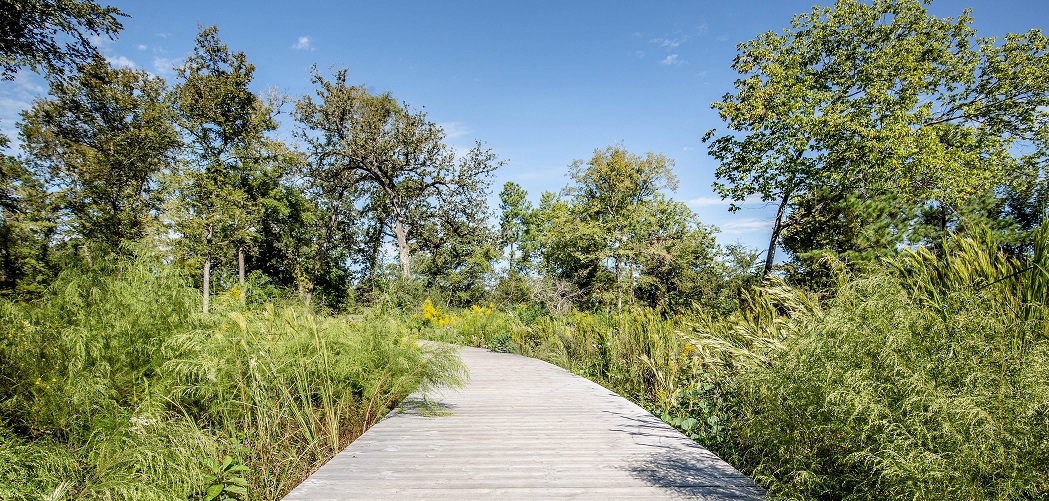
What does nature look like in Houston? To know, we need to start from the ground up. Across Texas, unique combinations of geology and climate create areas with distinctive plant and animal life – these are called ecoregions. Houston is special because it sits at the intersection of three ecoregions: Coastal Prairie in the south, Piney Woods in the northeast, and Post Oak Savanna in the northwest.
Coastal Prairie:
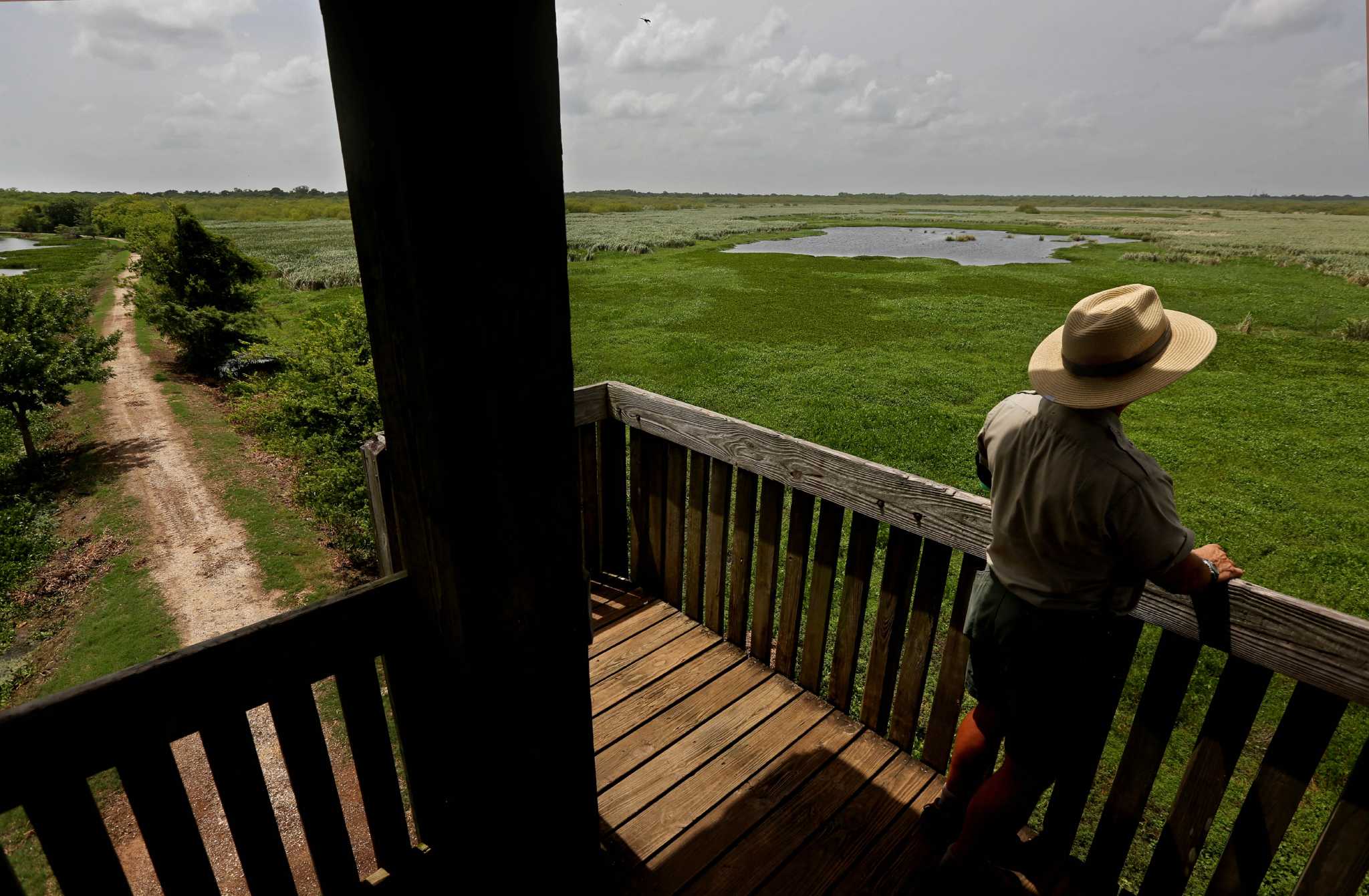
Pre-European settlement, most of what is now Houston would have been coastal tallgrass prairie and marshes. Imagine a sea of grasses and wildflowers growing up to seven feet tall. Bison, red wolves, and prairie chickens roamed this vast grassland. When it rained, the prairie would flood, providing critical winter habitat for ducks, geese, and cranes. Heavy grazing from the bison and regular wildfires (sparked by our frequent lightning storms) kept the prairie clear: while grasses quickly rebound from grazing and burning, trees and shrubs don’t. Unfortunately, European settlers killed the bison and suppressed the wildfires, allowing trees and shrubs to take over. Prairie soils are very rich, and so farmers and ranchers converted much of the remaining grassland to agriculture, and the little left after that has mostly been paved or built over. The Coastal Prairie is our most endangered habitat: there is only a fraction of a percent left in relatively “wild” condition.
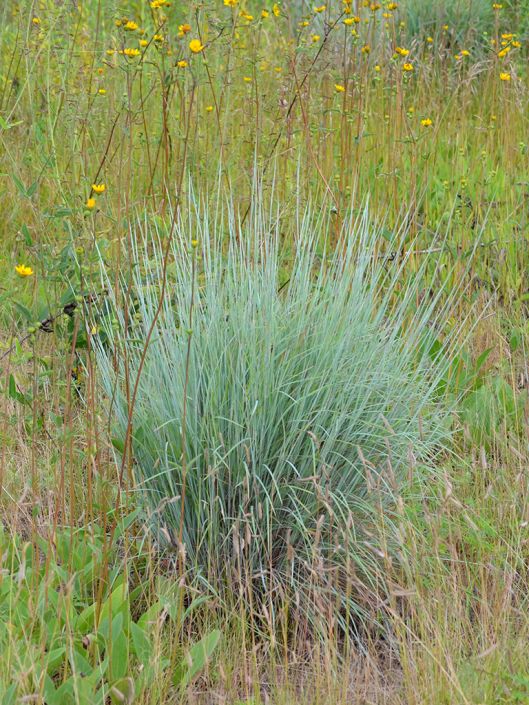
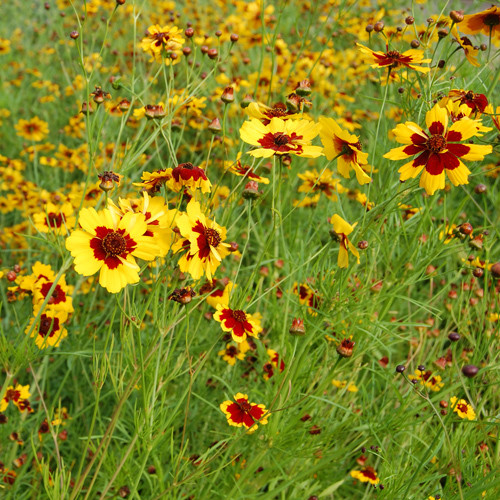
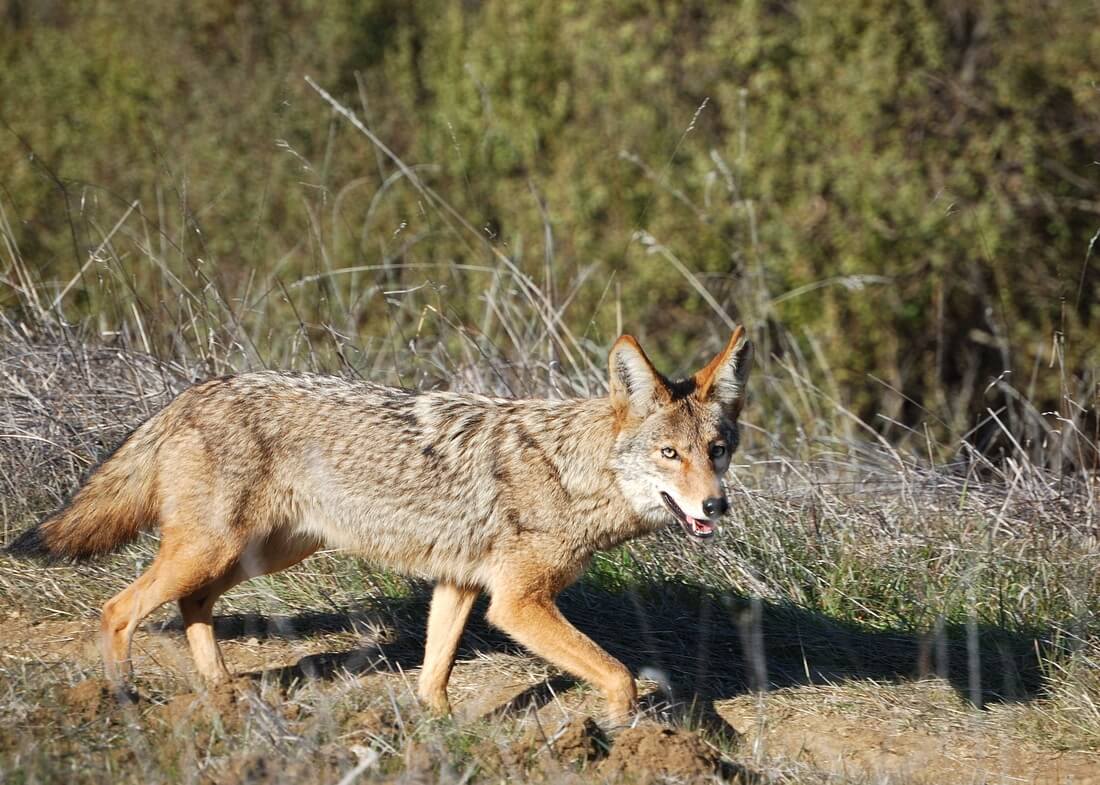
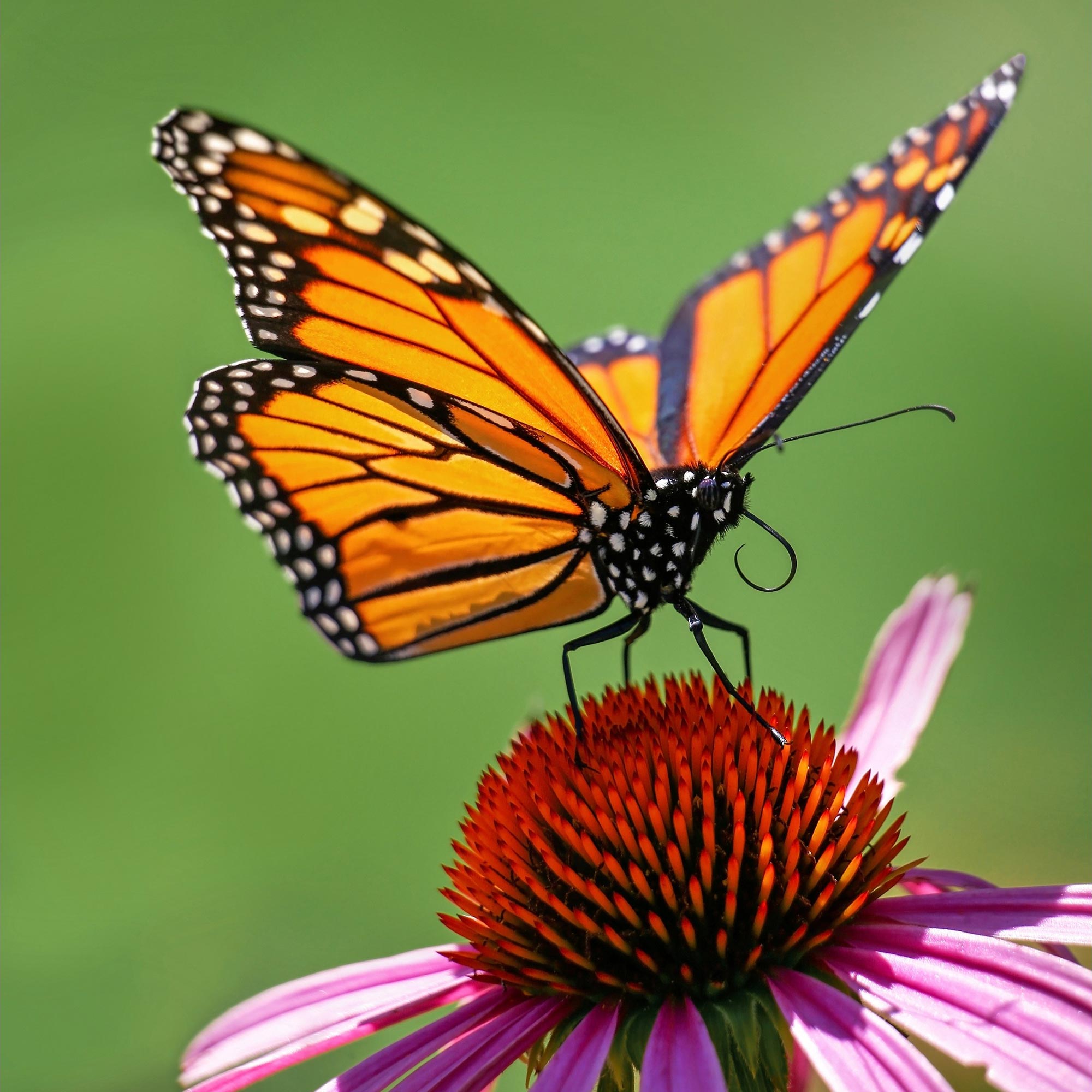
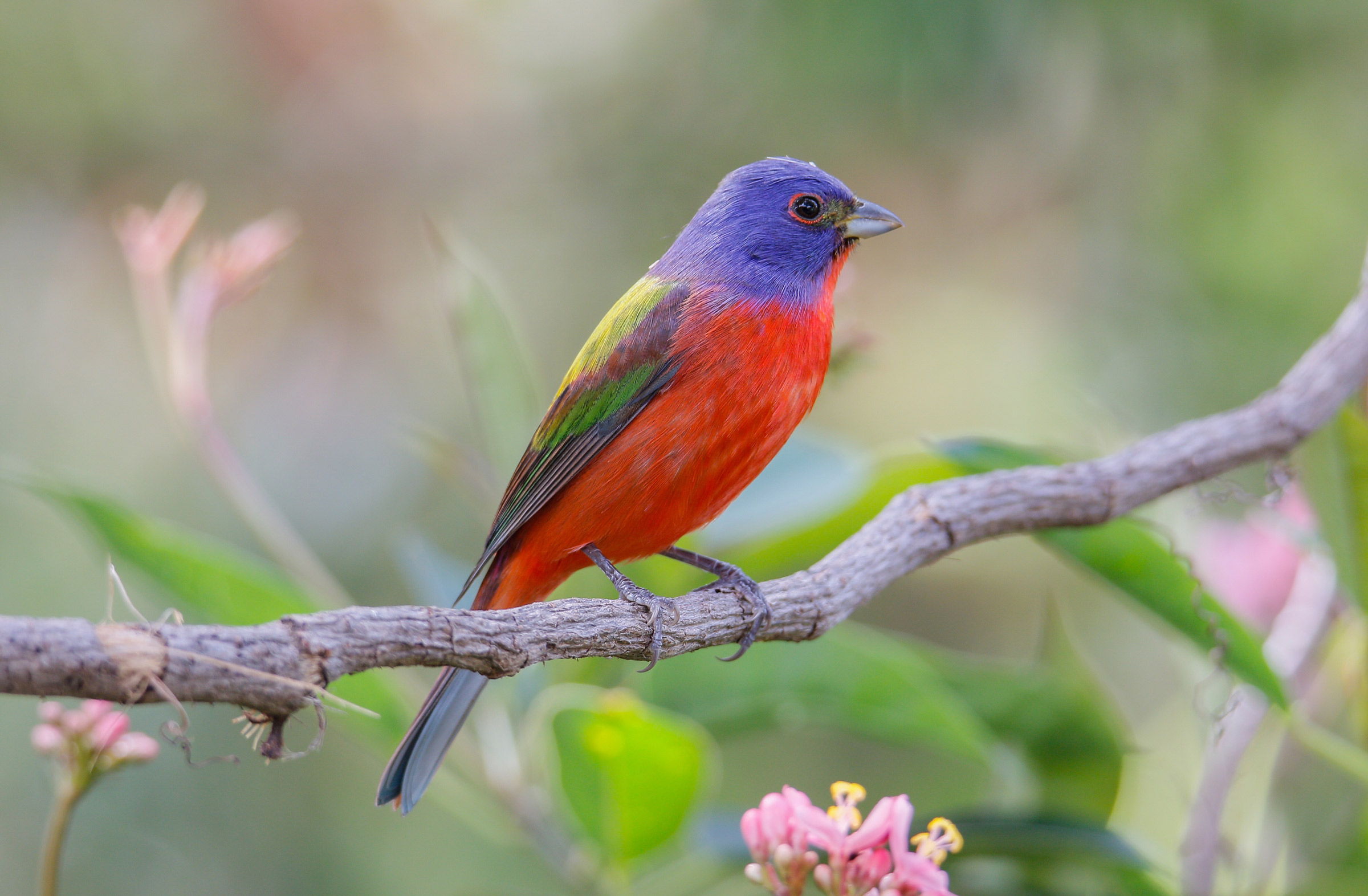
Although there are few true prairie remnants left, we can still see many prairie species here in Houston. Coastal Prairie plants include Little Bluestem, Swamp Sunflower, Prairie Blazing Star, and Plains Coreopsis. Coastal Prairie wildlife includes Coyote, Monarch Butterfly, Painted Bunting, Sandhill Crane, and the endangered Attwater Prairie Chicken.
Good examples of Coastal Prairie include areas managed by the Katy Prairie Conservancy, Houston’s many restored “pocket prairies” like the one at MD Anderson, and parts of Brazos Bend State Park.
Piney Woods:
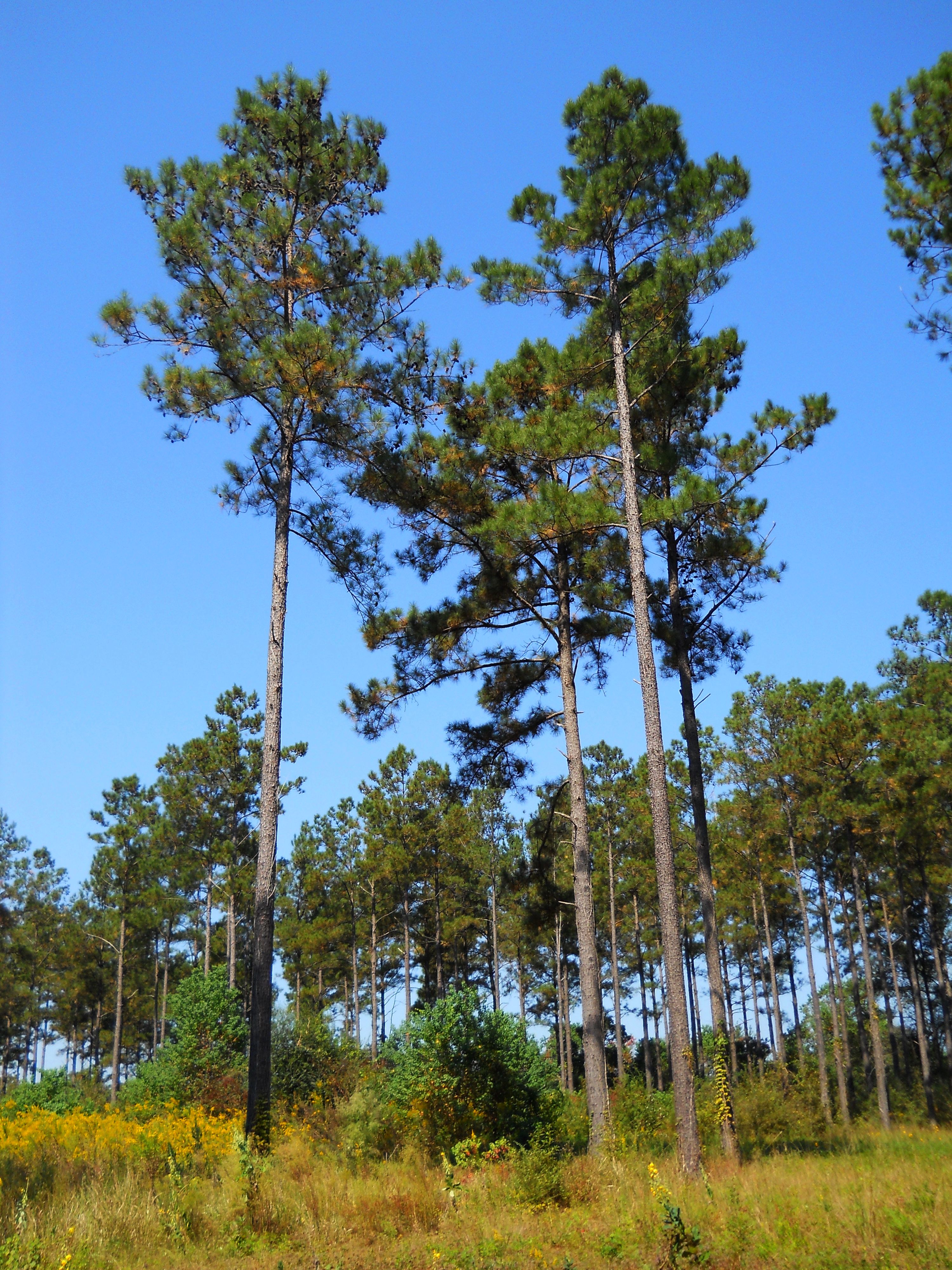
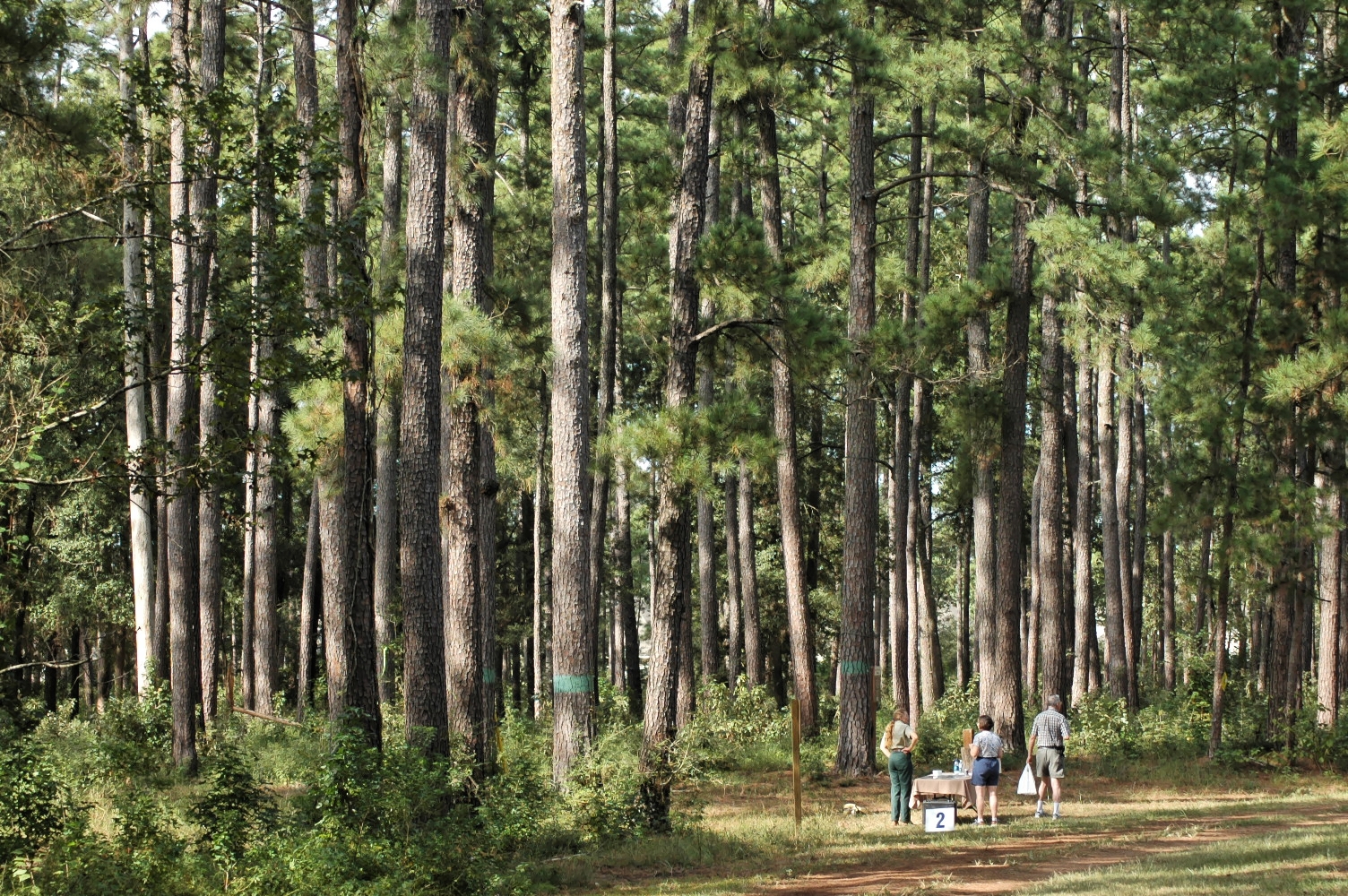
You have probably heard of the Piney Woods of East Texas. This incredible woodland once stretched across the southeast, ranging from open galleries of pine trees and grasses in dry, upland areas to dense, tangled swamp forest in wet, lowland areas. The upland forest was kept open by frequent wildfires: while pines can survive regular fires, most other trees can’t. These pine savannas were home to a unique community of animals including Red-cockaded Woodpeckers. Lowland forest was too wet for fire, and so it contained a much more diverse set of tree species. The fast-growing, open stands of upland Piney Woods turned out to be perfect for paper pulp production, and the huge, old-growth bottomland forest was great for timber. However, the swampiest forest was hard to harvest or build in, so folks drained it or built over it to make way for buildings and roads. While we have lost our old growth woodland, we have also suppressed wildfires, and so we have an unnaturally wide spread of second-growth forest in Houston – we have much more tree cover now than we did pre-European settlement!
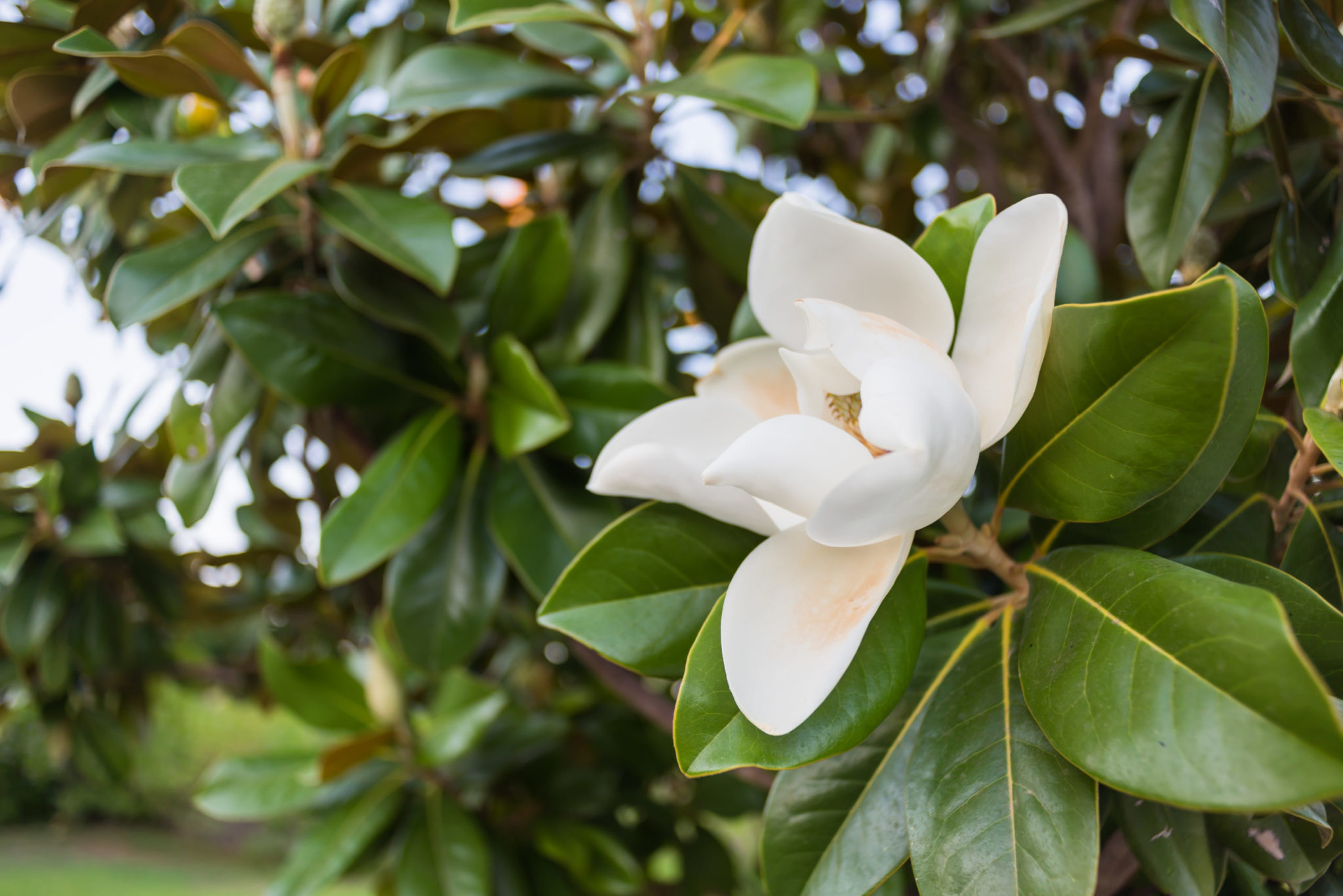
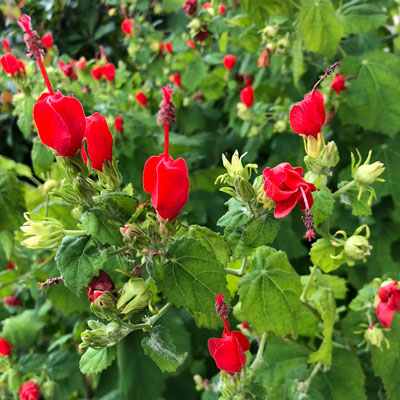
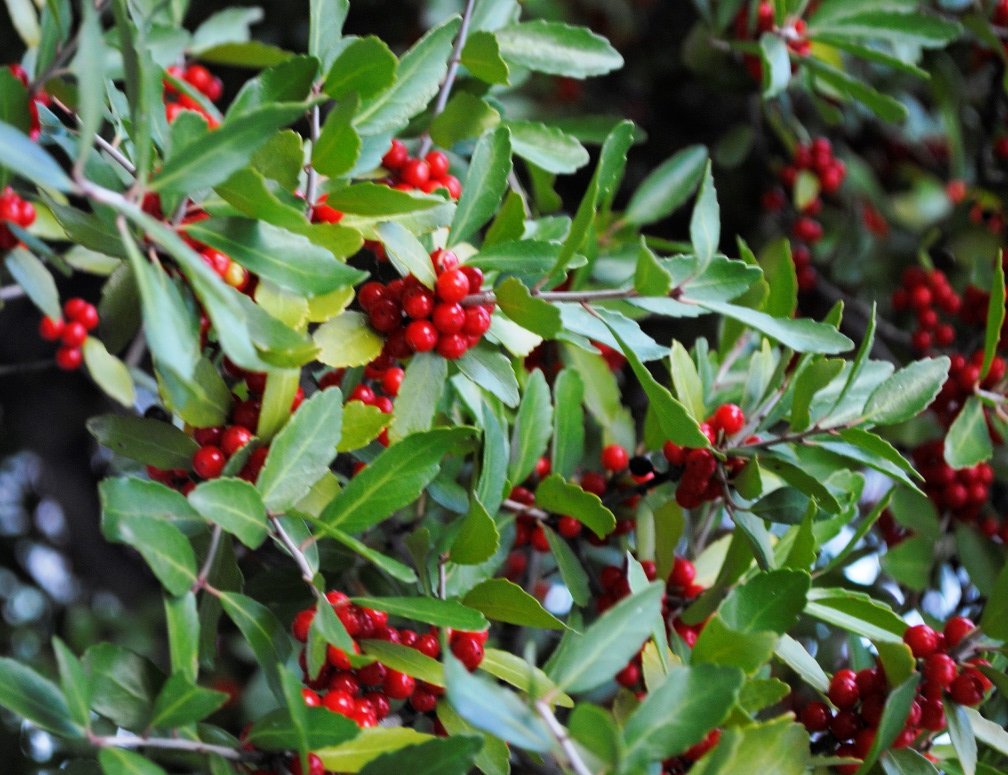
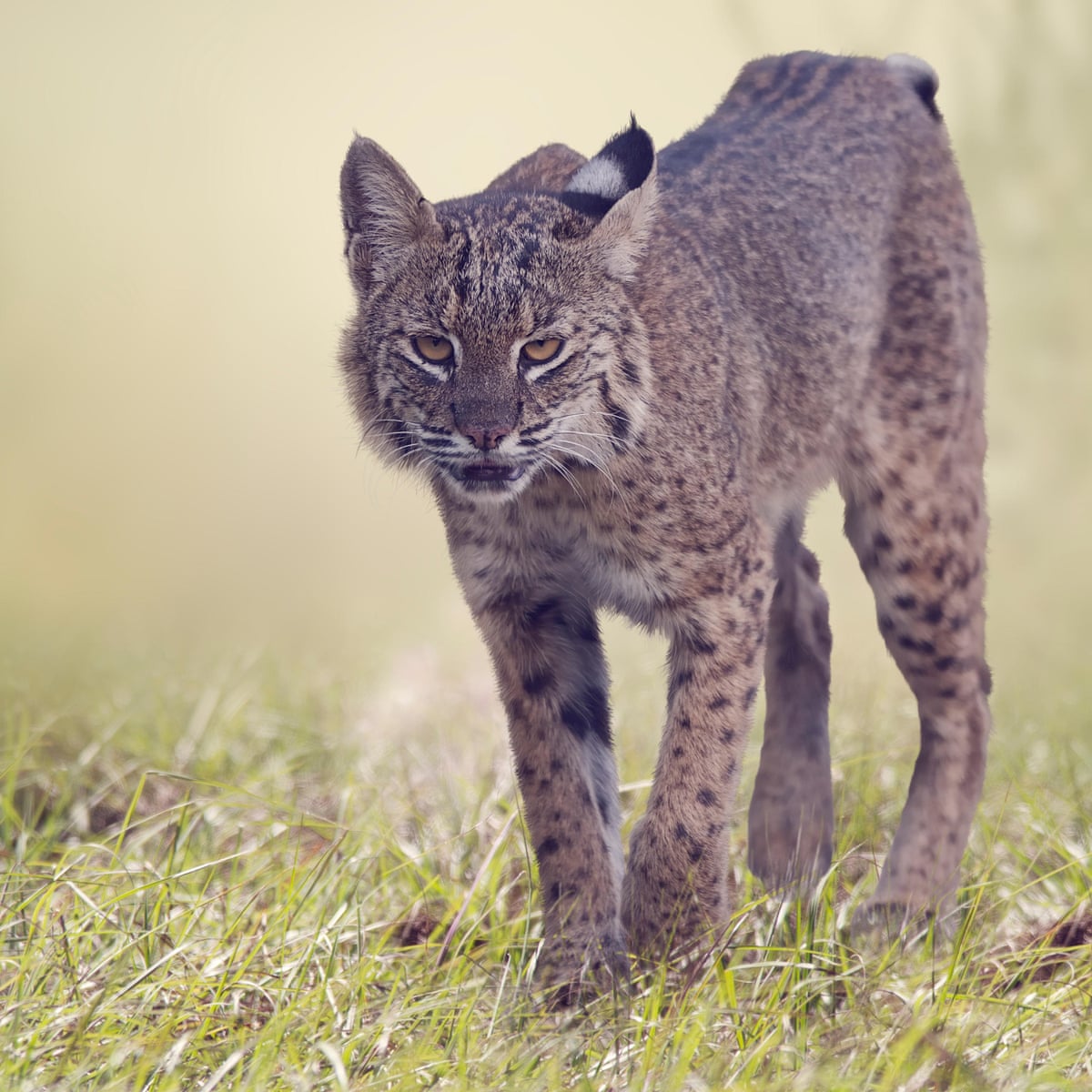
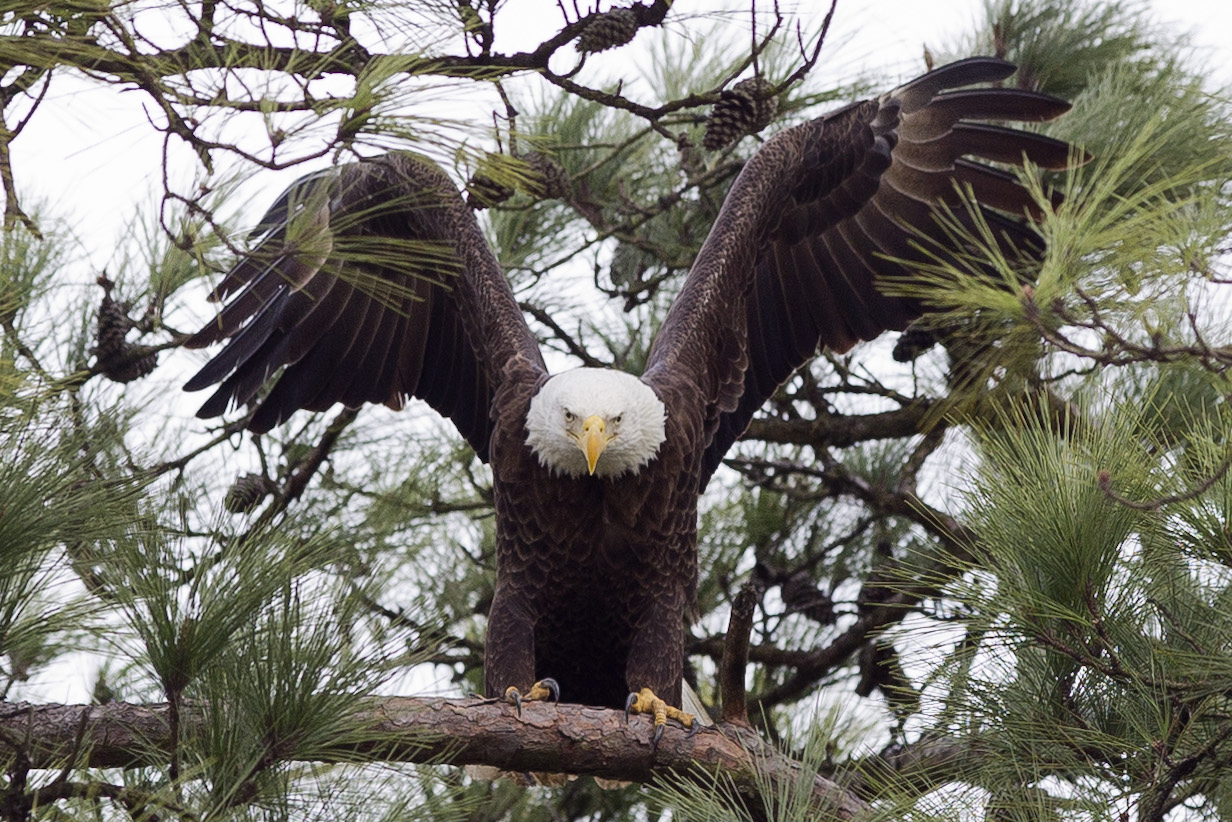
This is the habitat most people recognize as “nature” here in Houston. Piney Woods plants include Loblolly Pine, Southern Magnolia, Eastern Redbud, Dwarf Sundew (a carnivorous plant), Turk’s Cap, and Yaupon Holly. Piney Woods wildlife includes Bobcat, Three-toed Box Turtle, Southern Flying Squirrel, Bald Eagle, and the endangered Red-cockaded Woodpecker.
Good examples of Piney Woods include Sam Houston National Forest and W. G. Jones State Forest.
Post Oak Savanna:
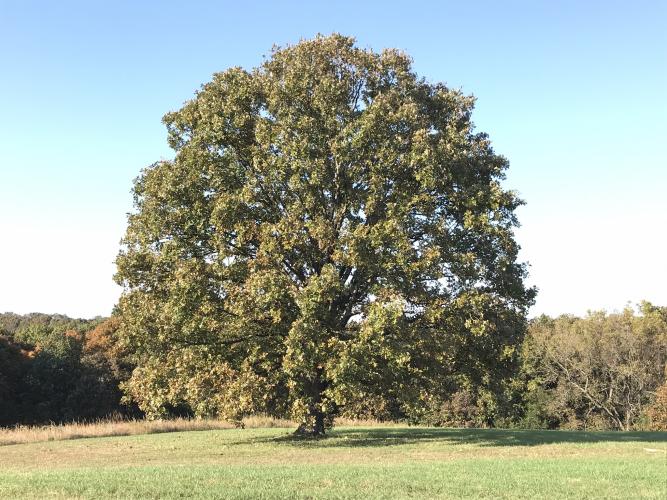
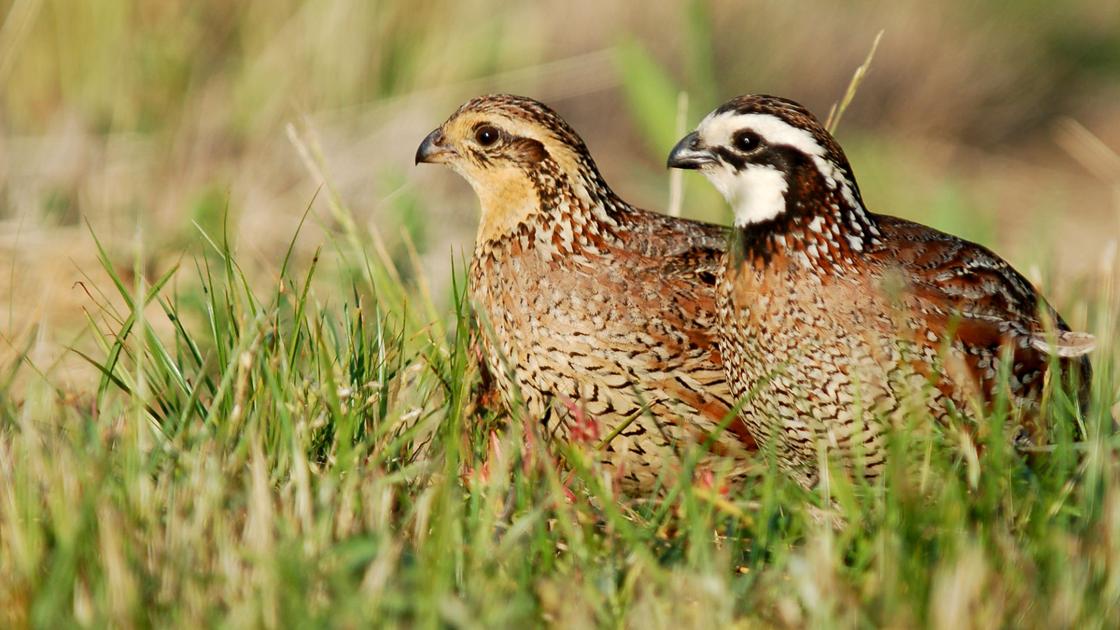
Post Oak Savanna is a transition between the Piney Woods and the Great Plains of central North America. Not much pure Post Oak Savanna survives today. The soils are rich and the trees are well-spaced, creating a perfect place for humans to settle and farm (and eventually build over). You can see vestiges of this habitat as you drive to Austin… think a big, spreading oak tree standing in the middle of a field of bluebonnets. Again, wildfires kept this habitat open and full of grasses and wildflowers. Without regular fire, shrubs and other trees crowd out the wildflowers and change the growth form of the post oaks (making them tall and thin rather than broad and spreading). This was – and in some places still is – a particularly rich region for hunting: deer, wild turkey, bobwhite, squirrels, and many other creatures thrive on the acorns and grass seeds.
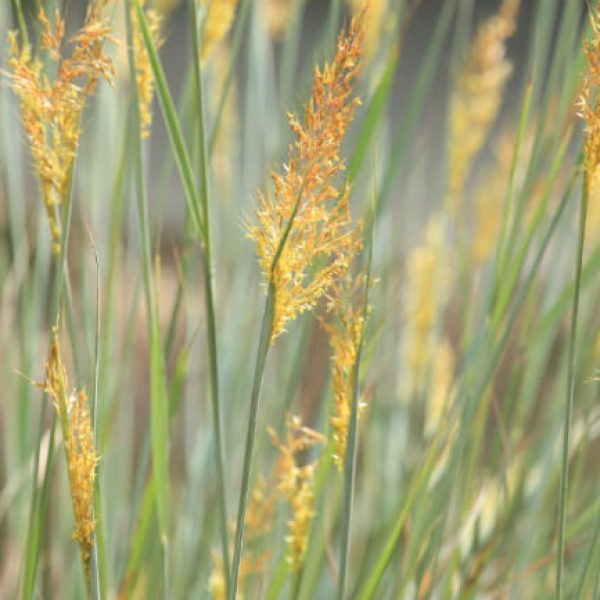
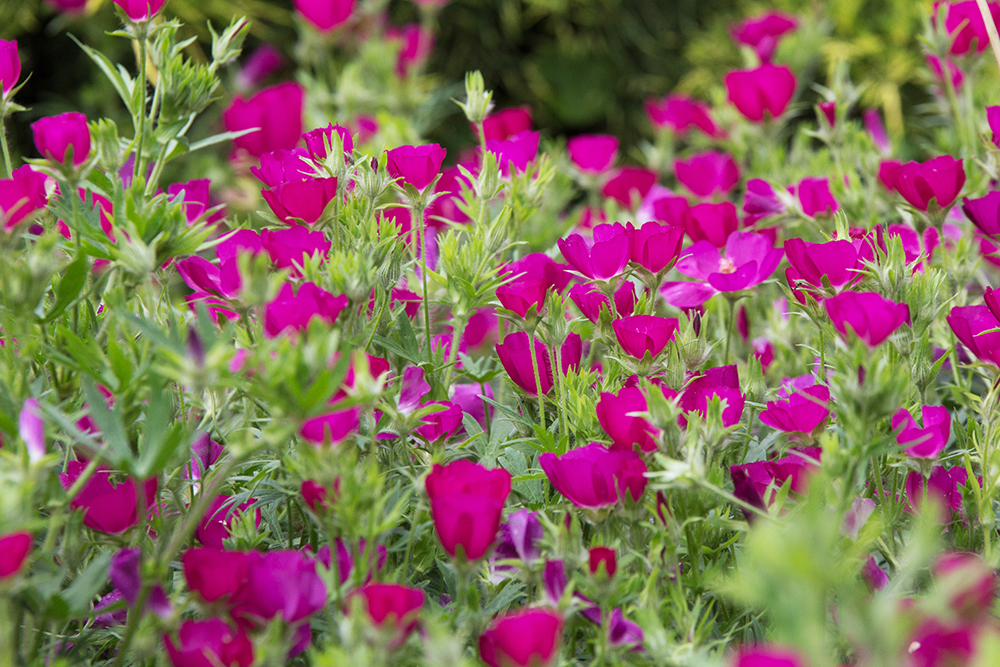
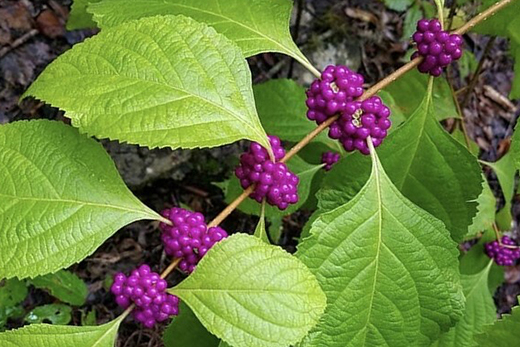
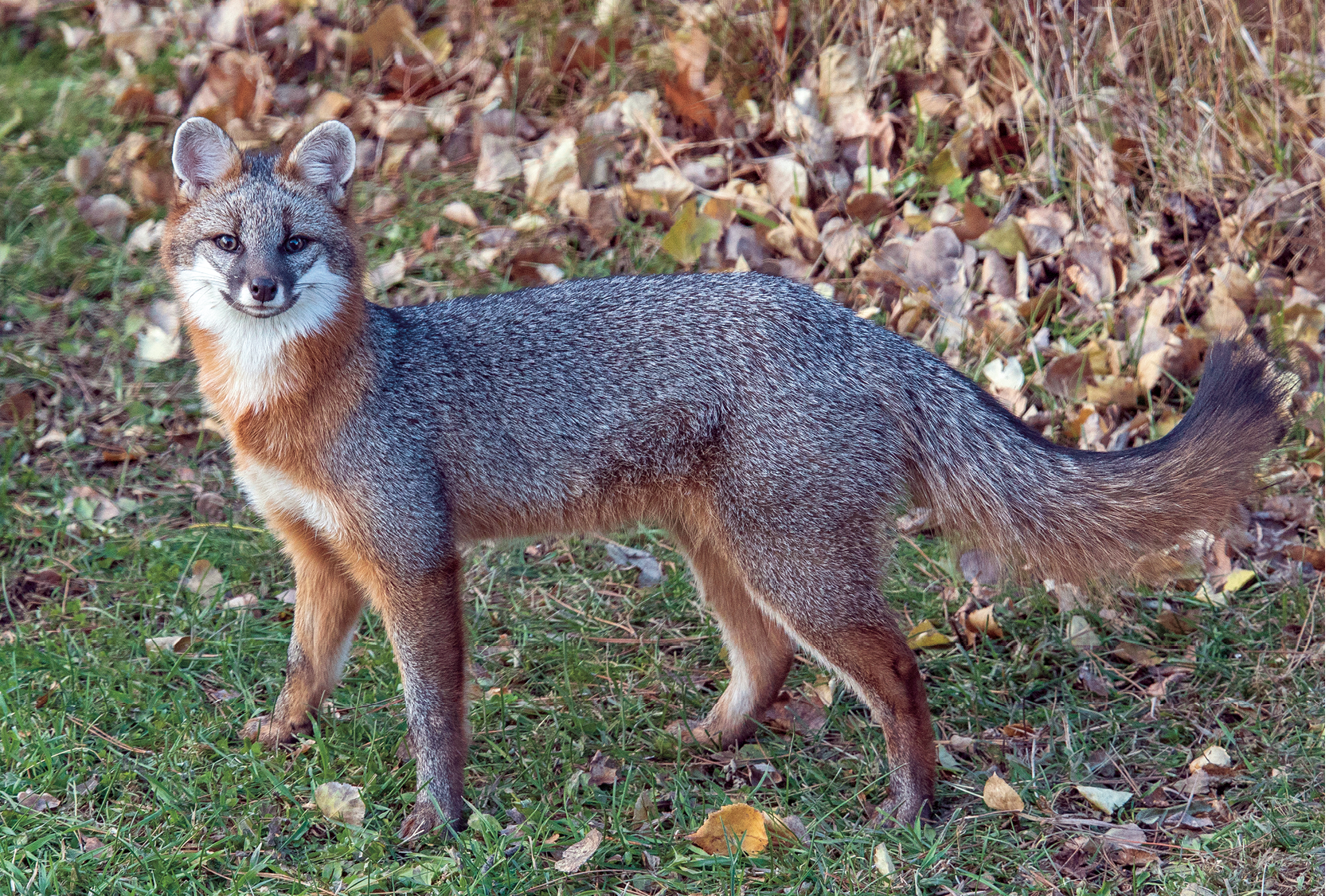
Post Oak Savanna plants include Post Oak, Texas Bluebonnet, Purple Passionflower, Indiangrass, Winecup, and American Beautyberry. Post Oak Savanna wildlife includes White-tailed Deer, Red-headed Woodpecker, Northern Bobwhite, and Gray Fox.
There aren’t may places to see pure Post Oak Savanna in town, but you can see a restored patch at the Houston Arboretum. You can see more out of town starting in Sealy, including Stephen F. Austin State Park.
submitted by /u/Nantosuelta
[link] [comments]